

Gatherings of Religious in Ireland
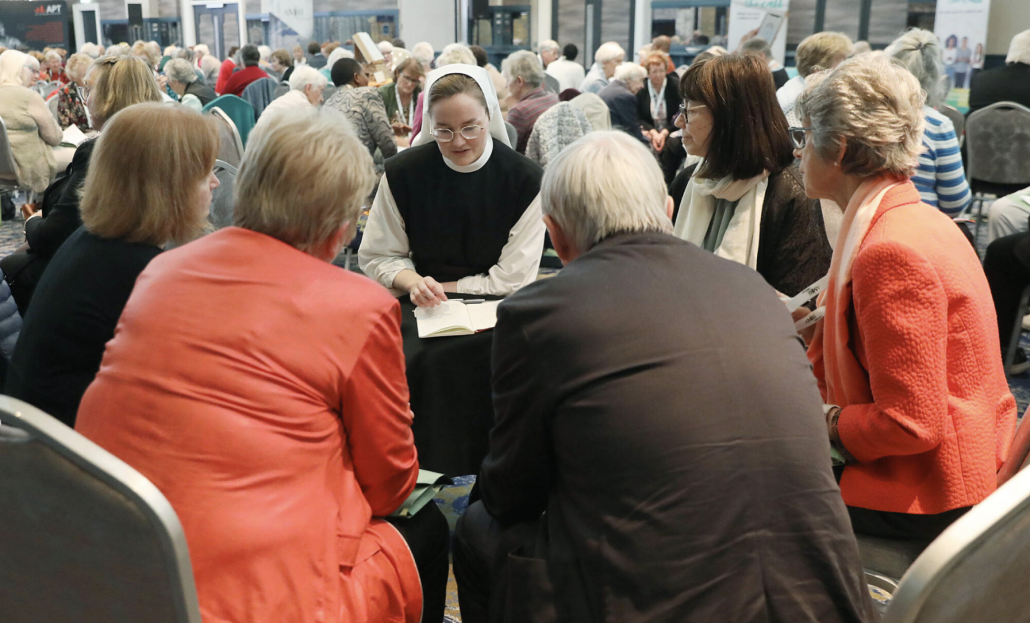
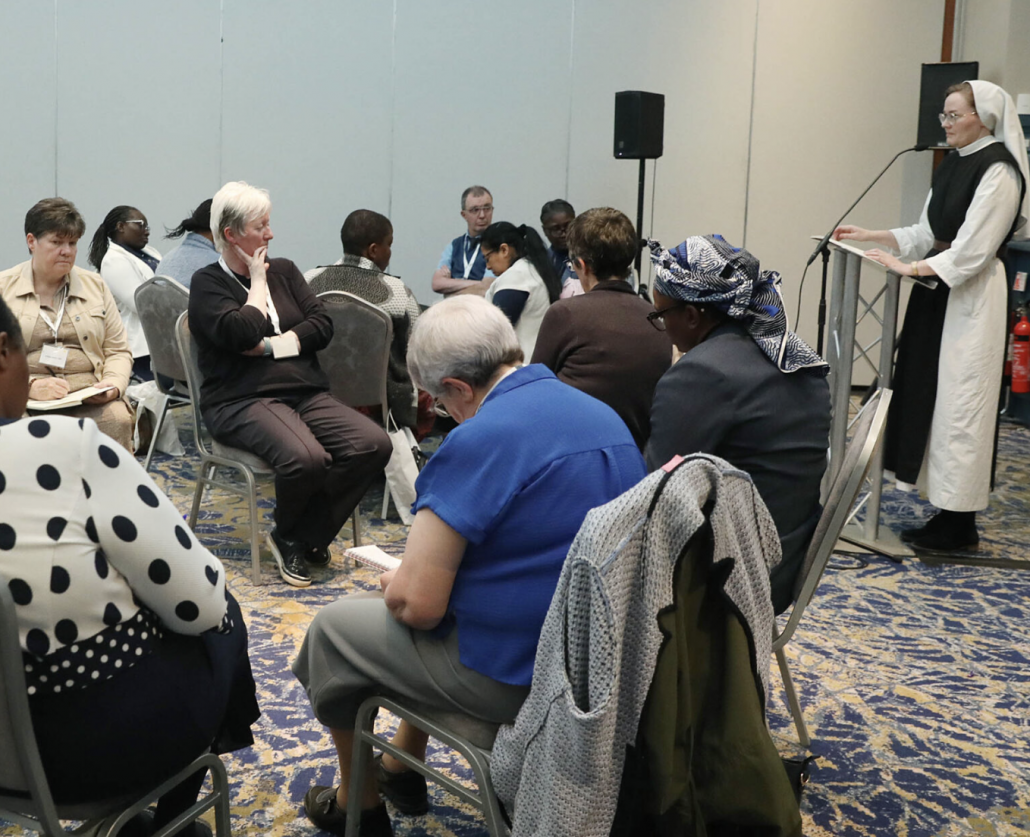
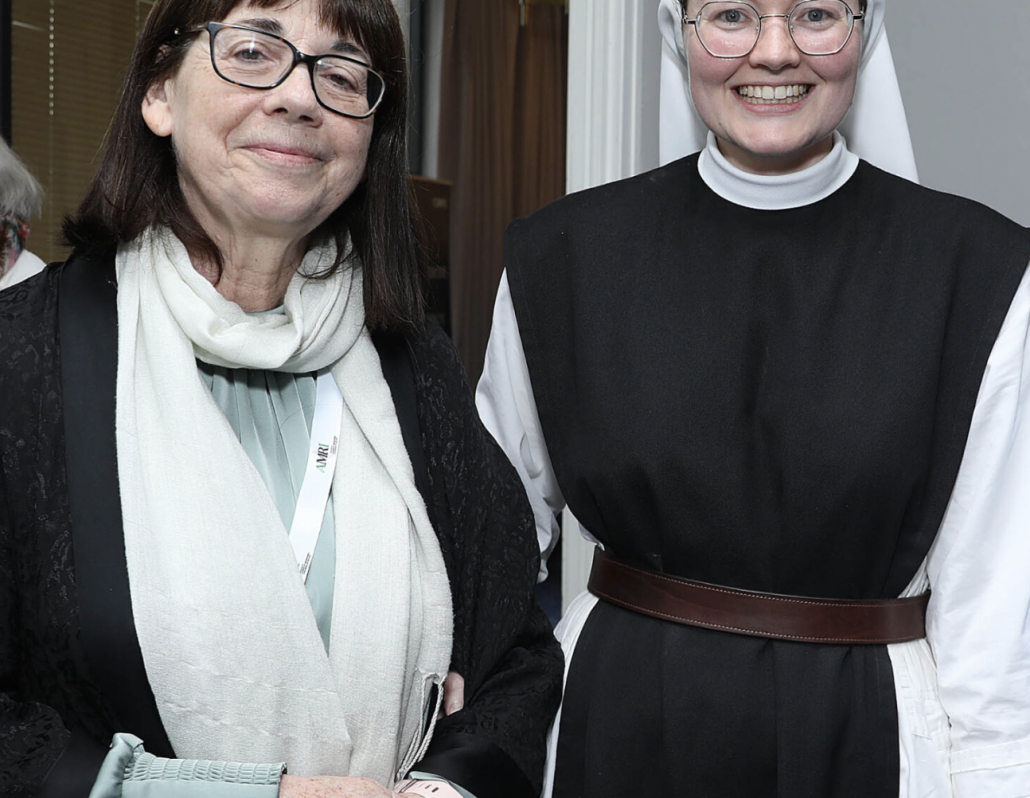
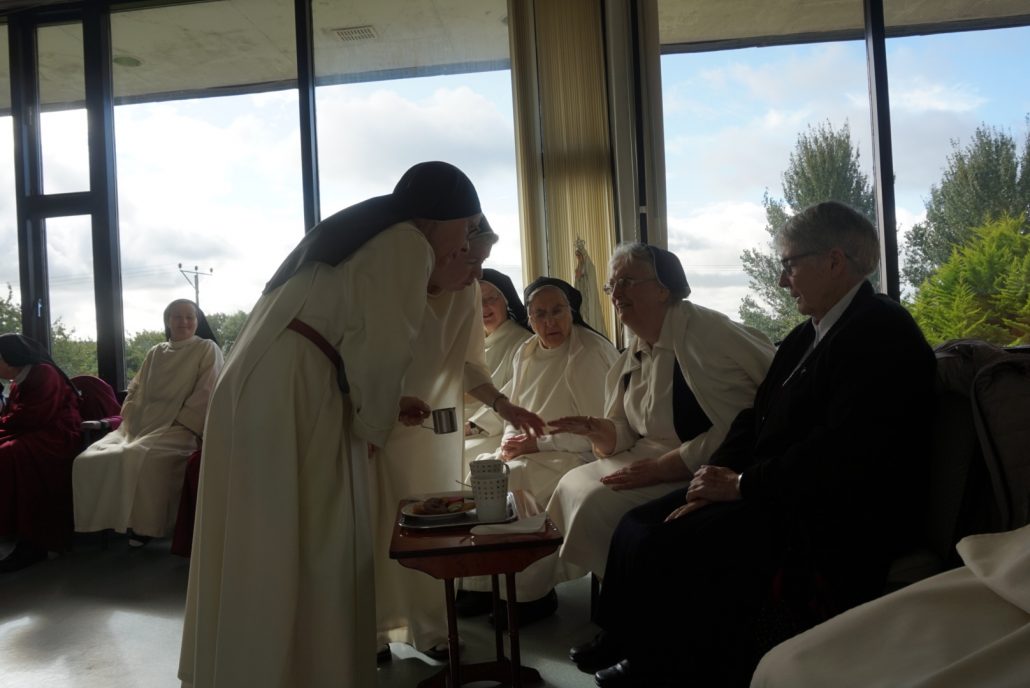
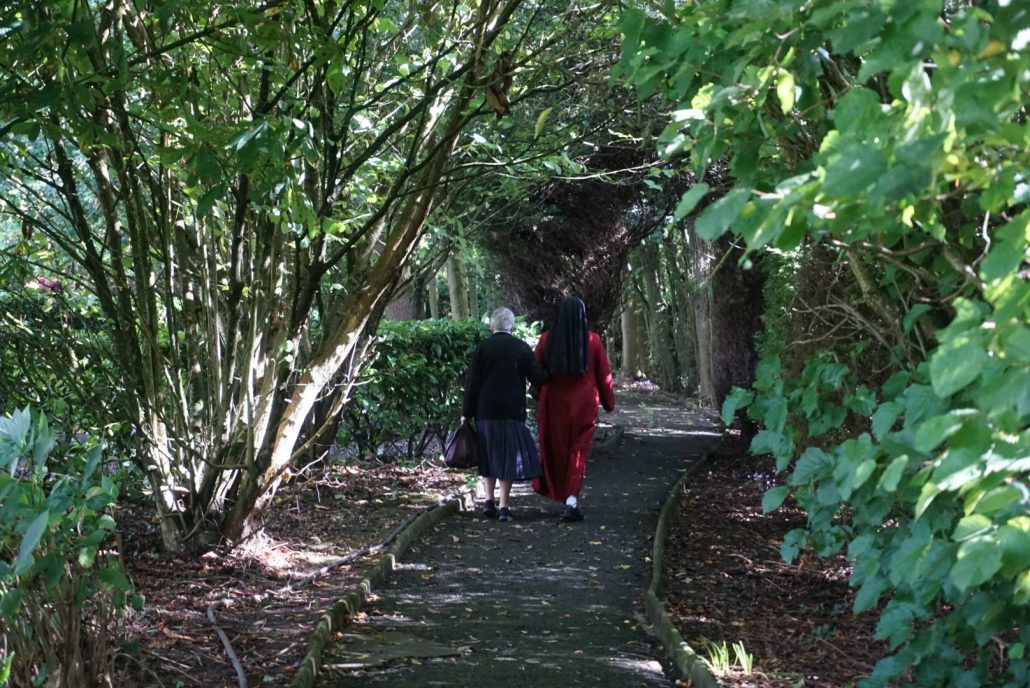
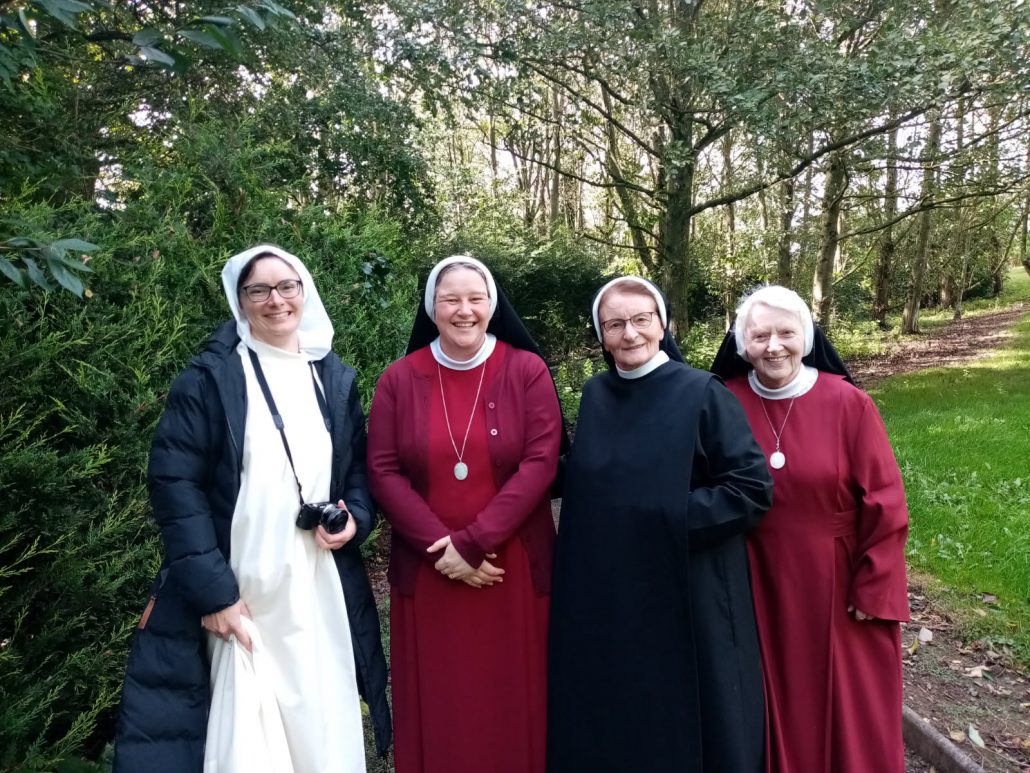
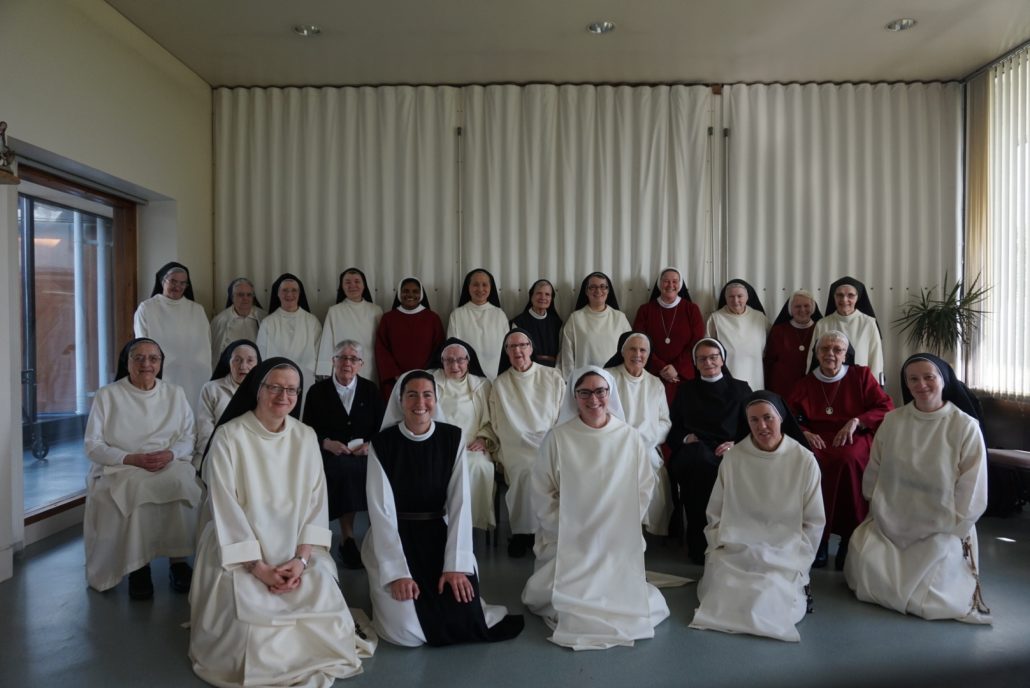
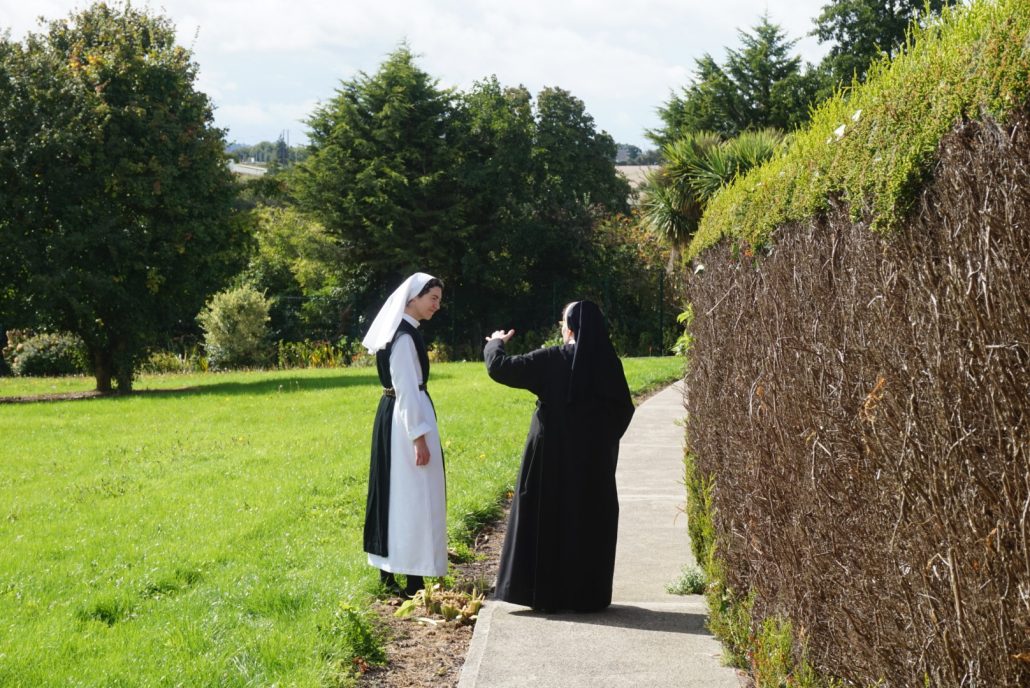
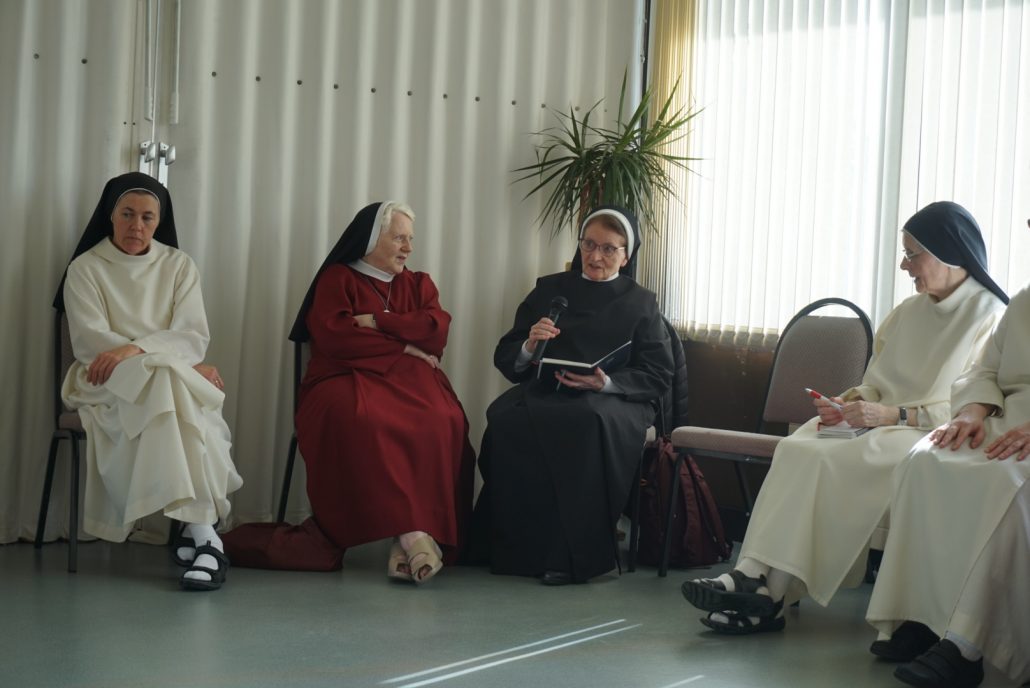
Over the past few months, several of our Sisters have taken part in gatherings of Religious from across Ireland. Sr Denise and Sr Laura represented our community at the AMOI meeting, hosted by the Dominican Monastery of St Catherine of Siena in Drogheda, while Sr Beatrice attended the annual AMRI Conference at the Tullamore Park Hotel. Both meetings reflected on the Jubilee Year of Hope, a theme that continues to inspire religious life throughout Ireland.
AMOI is a small yet meaningful assembly bringing together one or two Sisters from each monastery of contemplative nuns that has a single house in Ireland. It offers an opportunity to deepen bonds of unity and charity among our communities, and to strengthen our shared monastic search for an authentic life in Christ.
AMRI (the Association of Missionaries and Religious of Ireland) brings together members of religious congregations, missionary societies, and apostolic institutes from all over the country for prayer, reflection, and collaboration in mission.
Both meetings included contributions from the nuns themselves. At AMOI, each community was invited to share its reflections on the theme of hope. At AMRI, input was given by Rev Fr Michael Conroy, a priest of the Diocese of Meath and lecturer in pastoral theology at St Patrick’s College, Maynooth. His address, together with the small-group discussions that followed, offered a rich opportunity to reflect on the meaning of hope in contemporary religious life.
We are deeply grateful for these opportunities of encounter and exchange, which strengthen the spirit of communion among Religious and renew in us the hope that flows from our shared vocation.
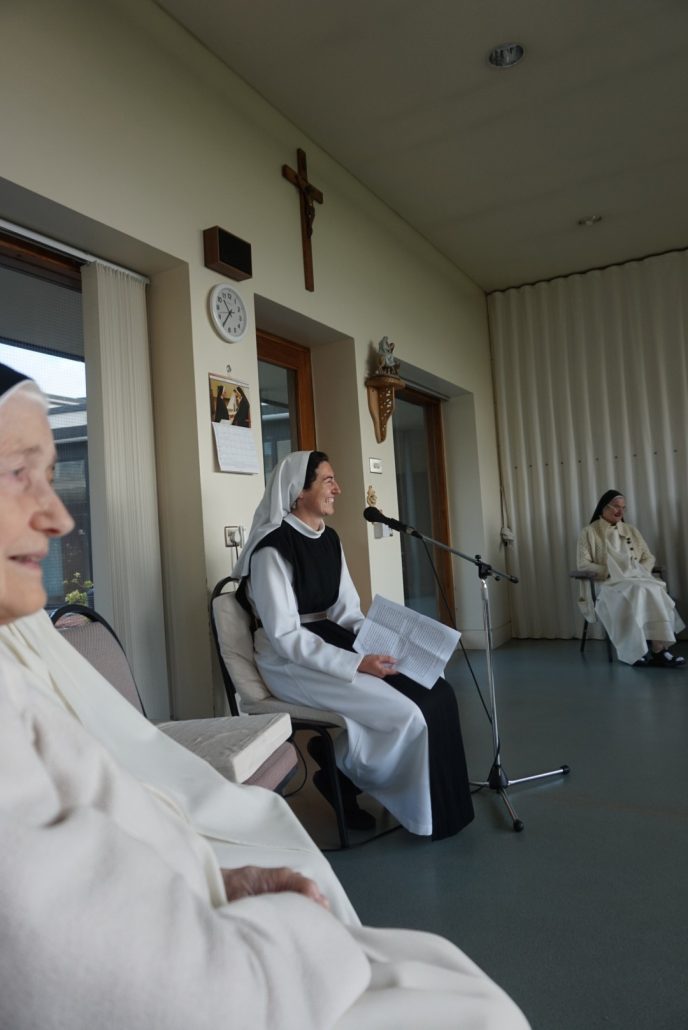
Below is the text of a talk that was shared at one of the gatherings:
A Figure of Hope: St Rafael Baron
On Sunday 7th of September two young men – Carlo Acutis and Pier Georgio Frasatti – were canonised as saints by Pope Leo. The example of the saints has always been a source of great hope for me because they show me another way to live in this world, one rooted in love and mysteriously in tune with a reality far deeper than the one I usually inhabit.
What I want to speak about today is another young saint who has been a presence of hope for me over the past three years of my monastic formation, and I pray may become one for you too. His name is Saint Rafael Arnaiz Baron. Rafael’s life, I would suggest, offers a complementary counterbalance to the lives of Pier Georgia and Carlo Acutis which were quite outgoing and apostolic in their orientation. By contrast, Rafael had a deeply contemplative heart and it was to the solitude of the inner journey that the Lord drew him.
Rafael died of diabetes in a Spanish Monastery in 1938 when only 27 years old and it was in 1992, when he was canonised by John Paul II, that this special young man came in to the light. In particular there are two aspects of his spiritual life I want to highlight.The first is Rafael’s sensitivity to the beauty of the hidden life. The second is his awareness of the need to be completely monos—single-hearted—in his love for God.
Rafael was born into a wealthy and aristocratic Spanish family in Burgos Spain in 1911. His upbringing was happy and his family were very committed Catholics. Before he entered the monastery, Rafael lived a full life. He studied architecture in the university in Madrid, had a warm personality, was a gifted artist and had all the means at his disposal to do whatever he wanted with his life. But what marked him out as different from other young men his age was the richness of his interior life, and in particular, his spiritual sensitivity to Christ’s life growing within him which was for him so much more real than the exterior one.
For the first four months of monastic life, Rafael was blissfully happy. In a letter penned to his parents he wrote that “your son has found the right road. I am more and more convinced that God has made La Trappe for me and me for La Trappe.” His artistic soul was nourished by the simplicity and what he referred to as the ‘poetry’ of Trappist life. But his carefree contentment was to be short lived when he became sick with Diabetes Milletus, the illness that would ultimately take his life. In a short period of time, Rafael became emaciated, half blind, and in one week he lost 53 pounds. With sadness and regret the abbot wrote to Rafael’s parents to ask them to collect the young novice whose heart was in pieces inside him.
Due to the gravity of his illness, Rafael was forced to depart from his beloved monastery on three further occasions. Remarkably, with each forced departure, instead of becoming bitter or disheartened, we see how Rafael learned to listen inwardly, despite his perplexity, to what the Lord was asking of him.
But what was it that this young and gifted artist loved so much about a poor, cloistered monastery? Why did he keep returning to a monastery where he could not receive the proper medical support that he needed? One of the reasons was that Rafael felt a profound kinship with the hiddenness of Cistercian life as it was in this homely hiddenness that he was able to make himself fully available and transparent before God. For him hiddenness connoted intimacy and intensity of love and a space in which he could be completely himself.
The second aspect of Rafael’s spirituality that I find very hopeful and inspiring is the emphasis he places on the need to be completely monos or single-hearted in our love for God. When you meet someone whose heart belongs to the Lord, someone who knows that the source of their true life is not in this world, it is a very attractive thing and you desire to be close to that person because that person, you know, is close to the Lord. To be monos for God in this way means to be unentangled, to be truly solitary, to be chaste in the deepest sense of that word and to be single hearted.
It was through his radical receptivity to God’s will that Rafael’s love became so monos. Some of the most tender passages in Rafael’s diary see him grappling with the all-too-human tension between his physical body which was growing weaker by the day, which was often ravished with hunger due to his Diabetes and was not capable of doing what he wanted it to do, and at the same time here was this vital heart of his, simply burning intensely with a single-hearted love he felt barely able to contain. In the eyes of the world, and perhaps even in the eyes of some monks in his monastery, Rafael must have seemed rather ‘useless.’ At times he himself felt useless. But I am sure that in the eyes of God Rafael must have shone with a rare luminosity of being and a fullness of focused love.
But Rafael also teaches me that the path to a love that is truly monos must inevitably be a lonely one. Not many will understand the way that you must go. But, as Rafael knew, a love as great as the one a contemplative is called to, must have a cost.
Rafael entered the monastery of San Isidoro for the fourth and final time on December 15th 1937 but this time he entered as an Oblate. Only four months later on April 26th 1938 he died.
Rafael is a contemporary saint for us contemplatives and hopefully a figure of hope for us too. His life witnesses to the beauty of the interior world in a culture which seems determined to constantly evacuate us from it and keep us living at a superficial level. While Pier Georgio and Carlos Acutis felt the call from God to be evangelical in the way they spread the Gospel, Rafael Baron was asked by God to spread it through a hidden but intense life of love, prayer and intentional suffering. The lives of these young men, each so unique, beautifully brings to light the diversity of the Church and her many paths to sanctity.

